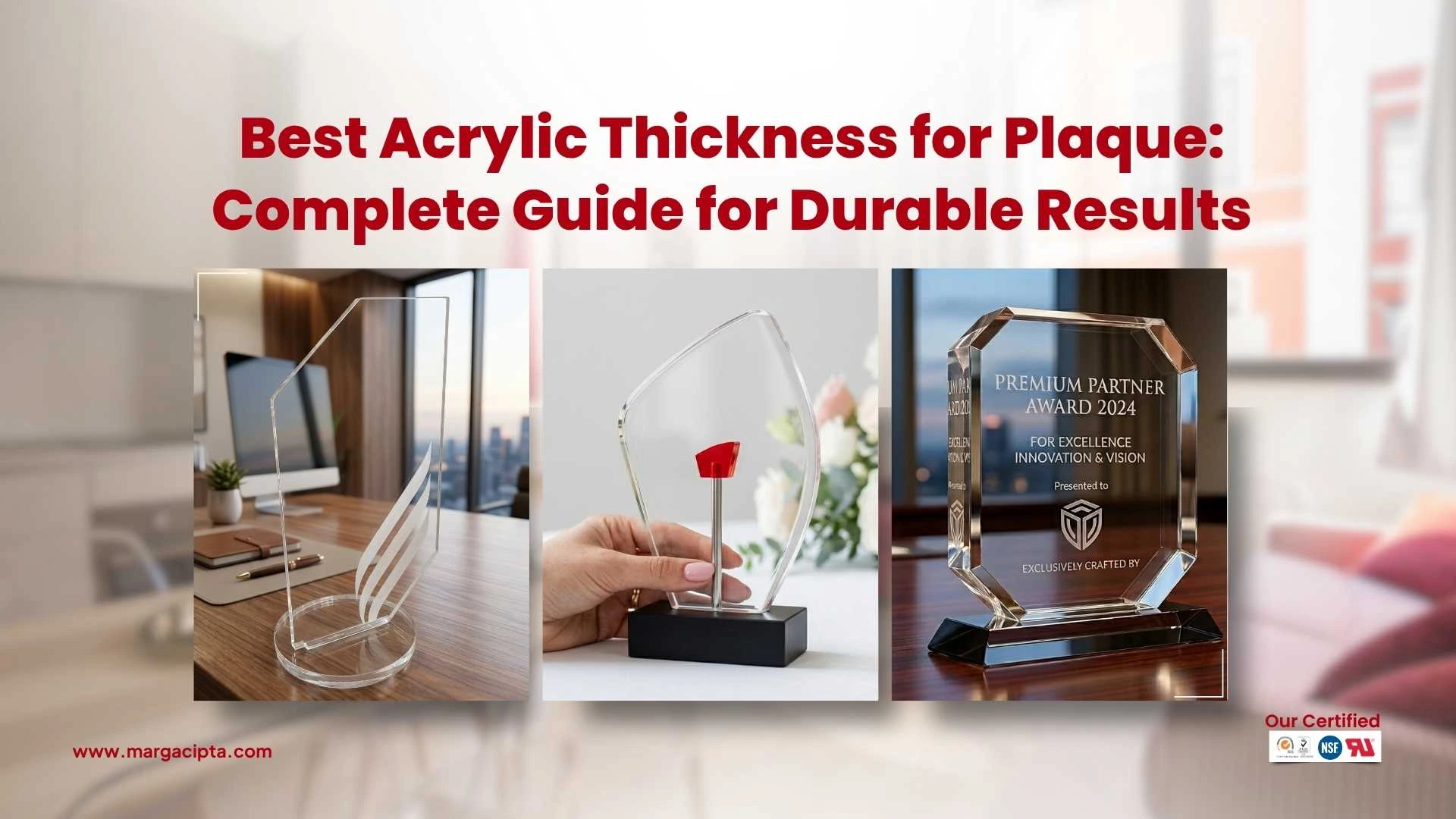
Best Acrylic Thickness for Plaque: Complete Guide for Durable Results

Informational

The best acrylic thickness for plaque is typically between 3 mm and 5 mm.

This range offers the ideal balance between durability, stability, and a clean professional appearance for most applications.

Choosing the right thickness is essential because it directly affects how the plaque looks, feels, and performs over time.

Why Acrylic Thickness Matters

Acrylic plaques are widely used for signage, awards, and displays due to their clarity and modern finish. However, thickness plays a critical role in ensuring the plaque does not bend, crack, or look disproportionate.

  • Too thin → may bend or feel low quality
  • Too thick → looks bulky and increases cost

The goal is to match thickness with the size and purpose of the plaque.

Read also: How to Clean Acrylic Without Scratching

Recommended Thickness Based on Use Case

Here’s a quick guide to help you decide:

3 mm acrylic sheet

  • Best for small plaques, nameplates, or wall-mounted signage.
  • Offers a sleek and lightweight appearance.

4 mm acrylic sheet

  • Ideal for medium-sized plaques that require better rigidity.
  • Commonly used for office signage and branding displays.

5 mm acrylic sheet

  • Suitable for larger plaques or premium applications.
  • Provides a solid, high-end feel with improved durability.

For most commercial and decorative uses, this 3–5 mm range delivers consistent and reliable performance.

Key Factors to Consider

Beyond thickness, several factors influence your final choice:

1. Plaque Size

Larger plaques require thicker acrylic to prevent bending or warping over time.

2. Mounting Method

Wall-mounted plaques can use thinner sheets, while freestanding designs need additional thickness for stability.

3. Design Complexity

Engraving, UV printing, or layered designs may benefit from slightly thicker acrylic for better visual depth.

Fabrication Compatibility

Acrylic sheets are highly compatible with modern fabrication methods such as:

  • Laser cutting
  • UV printing
  • Engraving

Using the correct thickness ensures clean cuts, consistent engraving depth, and a more professional finish.

High-quality acrylic sheets also reduce the risk of chipping or uneven edges during production.

Read also: How to Choose UV Resistant Acrylic Sheets for Outdoor Applications

Why Acrylic is Ideal for Plaques

Compared to other materials, acrylic offers:

  • Excellent clarity (glass-like appearance)
  • Lightweight structure
  • Good impact resistance
  • Easy fabrication

These characteristics make acrylic a practical and scalable material for plaque production.

Material Quality Still Matters

Even with the right thickness, material quality is critical.

High-quality acrylic sheets provide:

  • Consistent thickness
  • Better clarity
  • Improved durability

For businesses, this means fewer production issues and more consistent output.

Marga Cipta supplies premium acrylic sheets designed for fabrication processes, ensuring reliable performance across different applications.

Conclusion

The best acrylic thickness for plaque is generally between 3 mm and 5 mm, depending on size and application.

By choosing the right thickness and using high-quality acrylic sheets, you can achieve plaques that are durable, visually appealing, and professionally finished.
News Release

What Is Cast Acrylic Used For? A Closer Look

Cast acrylic is a durable, lightweight, and visually appealing plastic material that has become a popular choice across many industries. 

Whether you're working on a commercial design project or creating decorative home pieces, cast acrylic offers strength, clarity, and flexibility in a wide range of colors and thicknesses.

But what is cast acrylic used for, exactly? Let’s explore its most common and practical applications.

1.   Signage and Advertising Displays

One of the most widespread uses of cast acrylic is in sign-making and illuminated displays. Its excellent light transmission and ability to be laser-cut, engraved, or printed on make it a favorite for:

  • Storefront signage
  • LED lightboxes
  • Wayfinding signs
  • Retail advertising boards  

Cast acrylic maintains its clarity and vibrancy over time, making it ideal for both indoor and outdoor signage. It can be customized in various colors and finishes to match brand identities.

2.   Display Cases and Product Stands  

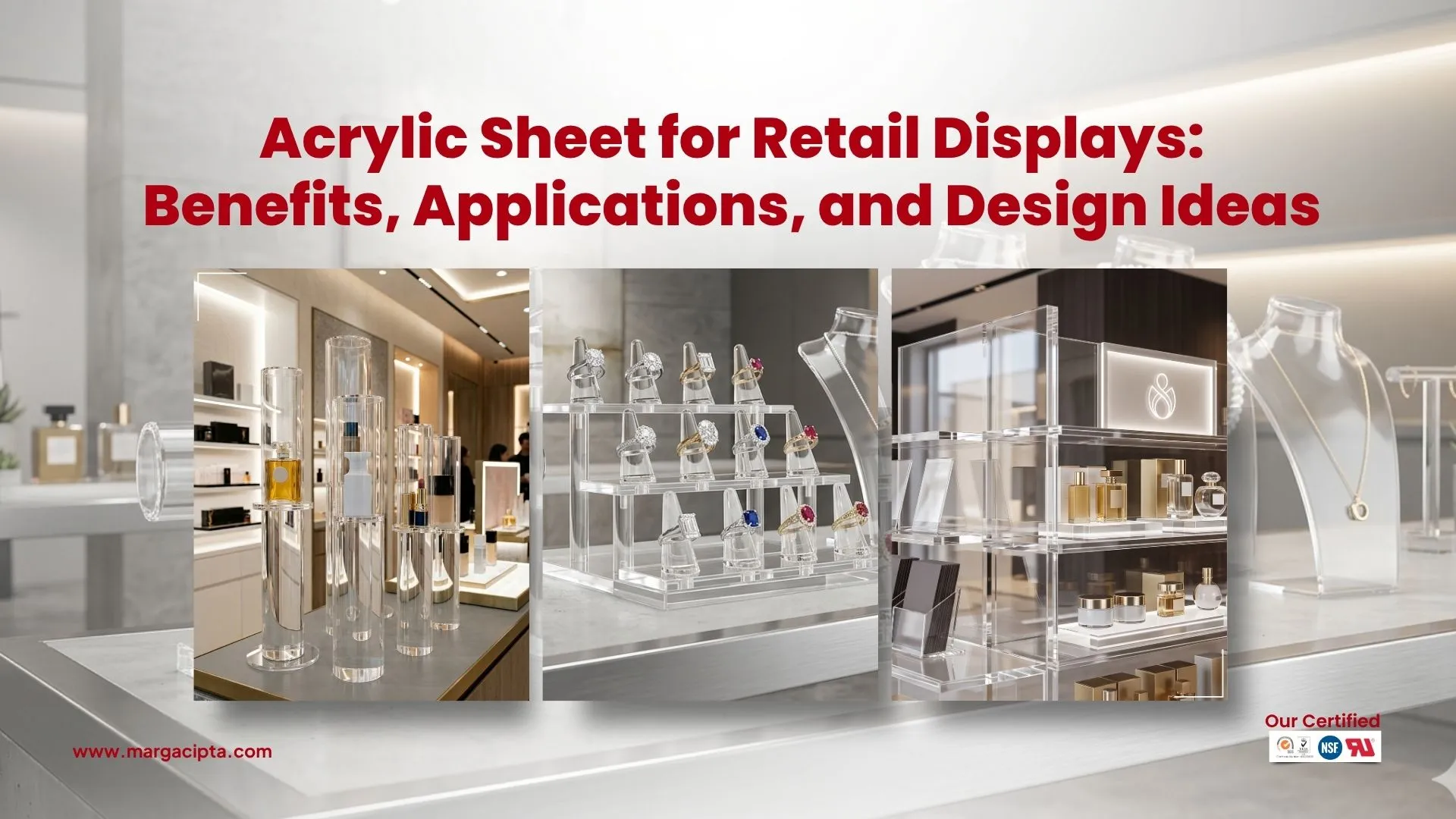
Retailers, museums, and exhibitions often use cast acrylic for clear display cases,product risers, and presentation boxes. Its glass-like transparency showcases products attractively without the fragility or weight of real glass.

From high-end jewelry counters to art galleries, cast acrylic is trusted to create elegant, protective enclosures that don’t distract from the items inside.

Read also: Benefits of Using Clear Cast Acrylic Sheet

3.   Interior Design and Furniture  

In modern interiors, cast acrylic is valued for its sleek appearance and versatility. It’s used to make:

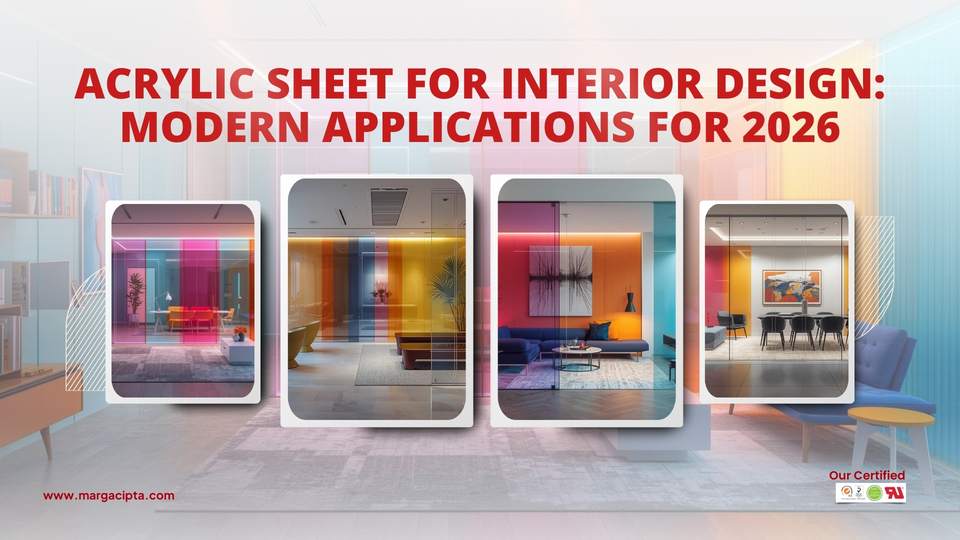
  • Room dividers
  • Decorative wall panels 
  • Floating shelves
  • Custom tabletops  

Its ability to be cut, polished, and shaped makes it a designer-friendly material for creating   minimalist or contemporary furniture   pieces with a polished, professional finish.

4.   Architectural Applications  

Thanks to its strength and weather resistance, cast acrylic is often used in architectural elements, especially for:

  • Skylights  
  • Roof panels  
  • Facade details  
  • Outdoor canopies  

It can withstand harsh environments without yellowing or cracking, making it suitable for   long-term outdoor use   in commercial and residential buildings.

5.   Aquariums and Water Features  

Cast acrylic is also commonly used in aquarium manufacturing, especially for larger tanks. Its   optical clarity, impact resistance, and ability to hold water pressure better than glass make it the ideal material for:

  • Home aquariums  
  • Public aquarium panels  
  • Water fountains and decorative tanks  

It offers a distortion-free view, even with thick panels, which is crucial for underwater observation.

6.   Protective Barriers and Shields  

Especially since the pandemic, cast acrylic has seen increasing use in protective barriers, such as:

  • Cashier shields  
  • Reception counter guards  
  • Office desk dividers  

It serves as a clear barrier while maintaining communication and visibility—offering safety without sacrificing customer experience.

Read also: Do’s and Don’ts: Cleaning Acrylic Sheet the Right Way

7.   DIY Projects and Crafts  

Cast acrylic is popular among crafters and hobbyists because it’s easy to cut, engrave, and assemble. People use it for:

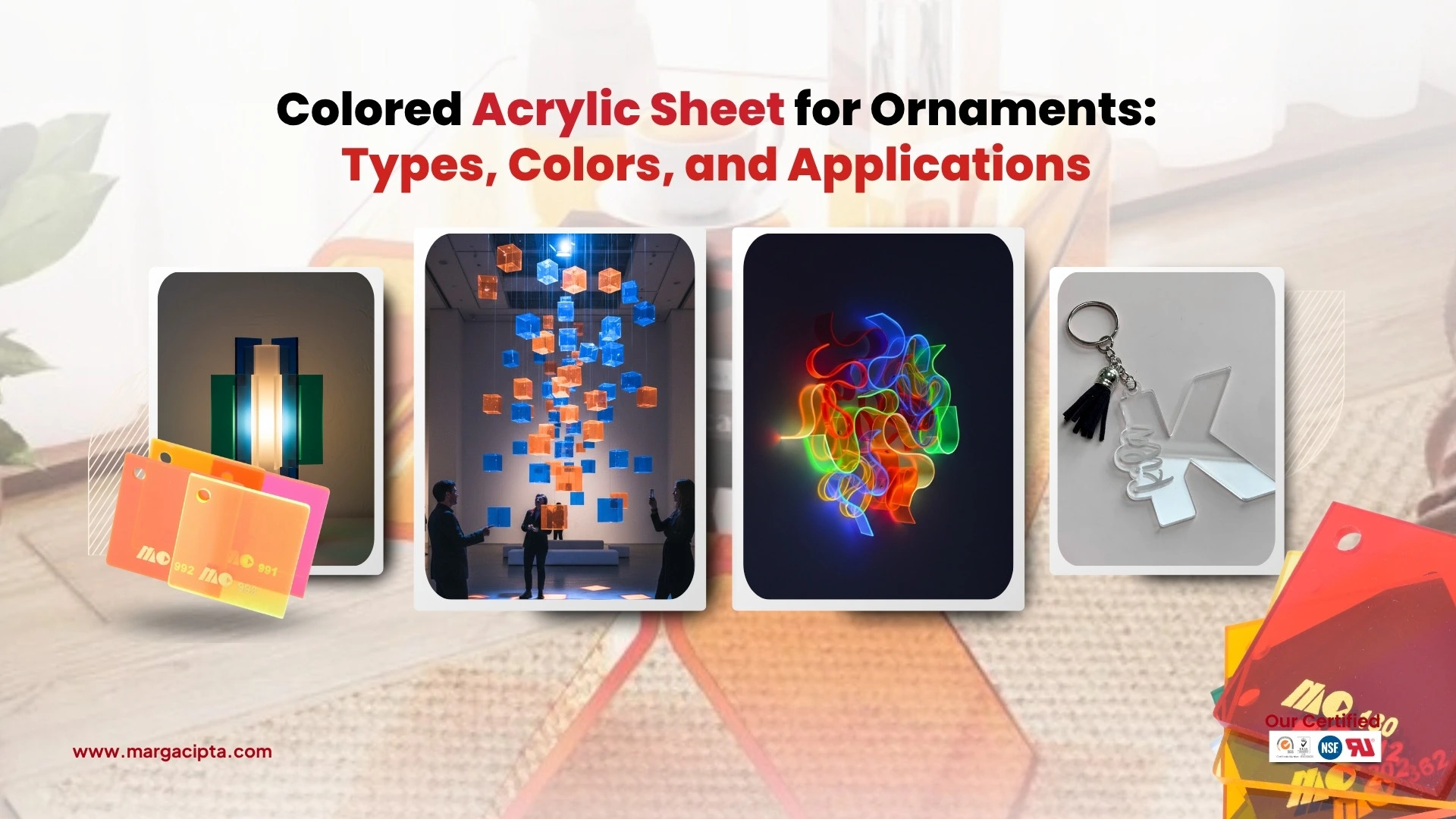
  • Custom keychains and signage  
  • Home decor pieces  
  • Photo frames  
  • Wedding and event props  

With the wide variety of colors and finishes available, creative possibilities are endless.

8.   Medical and Industrial Applications

In specialized environments, cast acrylic is used to make:

  • Instrument covers  
  • Medical equipment housings  
  • Machine guards  

Its chemical resistance and clarity make it useful in laboratories, factories, and cleanroom settings where durability and visibility are essential.

So, what is cast acrylic used for?

From advertising and architecture to DIY crafts and safety equipment, cast acrylic proves itself to be a highly versatile and reliable material. 

Its combination of durability, optical clarity, and workability makes it a top choice for both creative and functional applications.

At Margacipta Wirasentosa, we supply premium cast acrylic sheets in a wide range of colors, thicknesses, and finishes—perfect for your next project, big or small.

Looking for high-quality cast acrylic sheets? 

Contact us or visit our Instagram to discover the perfect acrylic solution for your needs.

Acrylic Sheet for Display Stand: Best Thickness and Type to Use

Acrylic sheet has become one of the most popular materials for display stands due to its clarity, durability, and versatility. Whether used in retail stores, exhibitions, or offices, choosing the right acrylic sheet for display stand is essential to ensure both aesthetics and functionality.

However, many people still struggle to determine the best thickness and type for their specific needs.

Why Acrylic Sheet is Ideal for Display Stands

Acrylic offers several advantages compared to glass or other materials:

  • High transparency similar to glass but lighter
  • Shatter-resistant and safer to use
  • Easy to fabricate (cutting, bending, engraving)
  • Professional and modern appearance

These qualities make acrylic sheets a top choice for product displays, signage, brochure holders, and more.

Read also: A Step-by-Step Guide on How to Cut Acrylic Sheet Safely

Best Thickness for Acrylic Display Stand

Choosing the right thickness depends on the size and purpose of the display.

Here are common recommendations:

  • 2-3 mm:
    Suitable for small, lightweight displays such as price tags or brochure holders.
  • 4-5 mm:
    Ideal for medium-sized display stands with moderate weight.
  • 6 mm and above:
    Recommended for larger or heavy-duty displays that require extra strength and stability.

Using acrylic that is too thin may cause bending or cracking, while overly thick sheets can increase costs unnecessarily.

Types of Acrylic Sheet

Understanding the different types of acrylic is equally important.

1. Cast Acrylic

  • Higher clarity and premium finish
  • Better for laser cutting and polishing
  • More durable and resistant to chemicals

Best for high-end display stands where appearance matters.

2. Extruded Acrylic

  • More affordable
  • Consistent thickness
  • Easier for mass production

Suitable for standard display applications with budget considerations.

Clear vs Colored Acrylic

  • Clear acrylic: Most common, ideal for showcasing products without distraction
  • Colored acrylic: Adds branding and visual appeal
  • Frosted acrylic: Provides a premium, soft look and reduces glare

The choice depends on branding and display goals.

Read also: How to Choose UV Resistant Acrylic Sheets for Outdoor Applications

Tips for Choosing the Right Acrylic Sheet

To ensure the best result:

  • Match thickness with the load and size of display
  • Choose cast acrylic for premium finishes
  • Consider environment (indoor vs outdoor use)
  • Ensure proper cutting and bending process

Common Mistakes to Avoid

  • Using acrylic that is too thin for heavy products
  • Ignoring surface finish quality
  • Choosing the wrong type for fabrication method

These mistakes can reduce durability and visual impact.

Conclusion

Selecting the right acrylic sheet for the display stand involves balancing thickness, type, and purpose. By understanding these factors, you can create displays that are both durable and visually appealing.

Looking for high-quality acrylic sheets?

Marga Cipta provides a wide range of acrylic sheets with various thicknesses and types, suitable for display stands, signage, and custom applications. Get the right material to elevate your display quality.

Acrylic for Industrial Use: From Machine Guards to Safety Barriers | MC® Cast Acrylic

In modern industrial environments, safety, efficiency, and durability are top priorities. As factories and facilities continue to upgrade their operations in 2026, the demand for reliable materials has increased, especially for applications requiring strength, visibility, and long-term cost efficiency.

One material that stands out is acrylic for industrial use, offering superior clarity, impressive durability, and adaptability across various sectors.

MC® Cast Acrylic Sheet by Marga Cipta provides industry-grade performance suitable for manufacturing, warehousing, food processing, automotive, and many other industrial applications.

1. Clear Visibility for Machine Guards and Safety Shields

Industrial machines often involve fast-moving parts that require proper guarding without compromising visibility.

Acrylic sheet is widely used for machine guards, equipment shields, and protective covers due to its excellent optical clarity and high impact resistance.

Key advantages include:

  • Crystal-clear visibility for operators
  • Safer monitoring of machine operations
  • Stronger impact resistance than glass
  • Lightweight design that reduces mechanical load

Machine guards made from acrylic help reduce workplace accidents while maintaining efficient workflow.

Read also: Acrylic Application for Accessories: Stylish, Durable, and Versatile

2. Durable and Lightweight Safety Barriers

Many factories and warehouses use safety barriers to separate work zones, protect workers, and guide traffic. Acrylic barriers are an ideal solution because they are:

  • Durable and long-lasting
  • Resistant to cracking
  • Easy to install and relocate
  • Suitable for indoor and semi-outdoor environments

They maintain a professional, clean appearance while providing essential physical protection. From forklift lanes to assembly lines, acrylic safety barriers help create structured and safe workplaces.

3. Enclosures and Covers for Sensitive Equipment

Acrylic for industrial use is also favored for equipment enclosures that need to be both protective and visually accessible. Common applications include:

  • Electrical panel covers
  • Dust protection enclosures
  • Laboratory instrument housing
  • Chemical processing equipment covers

Since acrylic is non-conductive and resistant to corrosion, it is an excellent material for environments requiring stable, protective enclosures.

4. Acrylic in Clean Rooms and Food Processing

Industries such as pharmaceuticals, medical manufacturing, and food processing require materials that support cleanliness and hygiene. Acrylic surfaces are:

  • Easy to clean and sanitize
  • Resistant to chemicals and moisture
  • Non-porous and hygienic

These properties make acrylic suitable for partition walls, inspection windows, and protective shields in controlled environments.

Read also: Acrylic Sheet for Interior Design: Modern Applications for 2026

5. Cost-Efficient Alternative to Glass

Compared to tempered or laminated glass, acrylic offers several economic benefits:

  • Lower weight reduces installation and transportation costs
  • Higher durability decreases replacement frequency
  • Safer breakage characteristics reduce workplace hazards

This makes acrylic a practical long-term investment for industrial facilities aiming to optimize operational costs without sacrificing quality or safety.

Conclusion

From machine guards to safety barriers and equipment enclosures, acrylic for industrial use provides a strong, versatile, and efficient solution for modern industrial environments.

Its clarity, impact resistance, lightweight structure, and cost-efficiency make it one of the most reliable materials for today's facilities.

MC® Cast Acrylic Sheet by Marga Cipta continues to support industries with consistent quality and performance, helping businesses operate safely, efficiently, and sustainably.

Want to order? E-mail us at info@margacipta.com and get more information about our acrylic products.

FESPA Global Print Expo 2024

FESPA Global Print Expo returns to Amsterdam, The Netherlands next spring 2024 During 19-22 March, Europe’s leading print and signage exhibition attracts the worlds leaders in the industry to showcase their latest technology and developments. We look forward to welcoming you in Amsterdam, The Netherlands 19-22 March 2024! Visit our booth Hall 2 stand D26